
Here’s a boiled‑down overview of how Sean Griffin framed and defended the necessity of Torah‑obedience (including circumcision) for discipleship, his core arguments & rebuttals
Here is my video walking through this content.
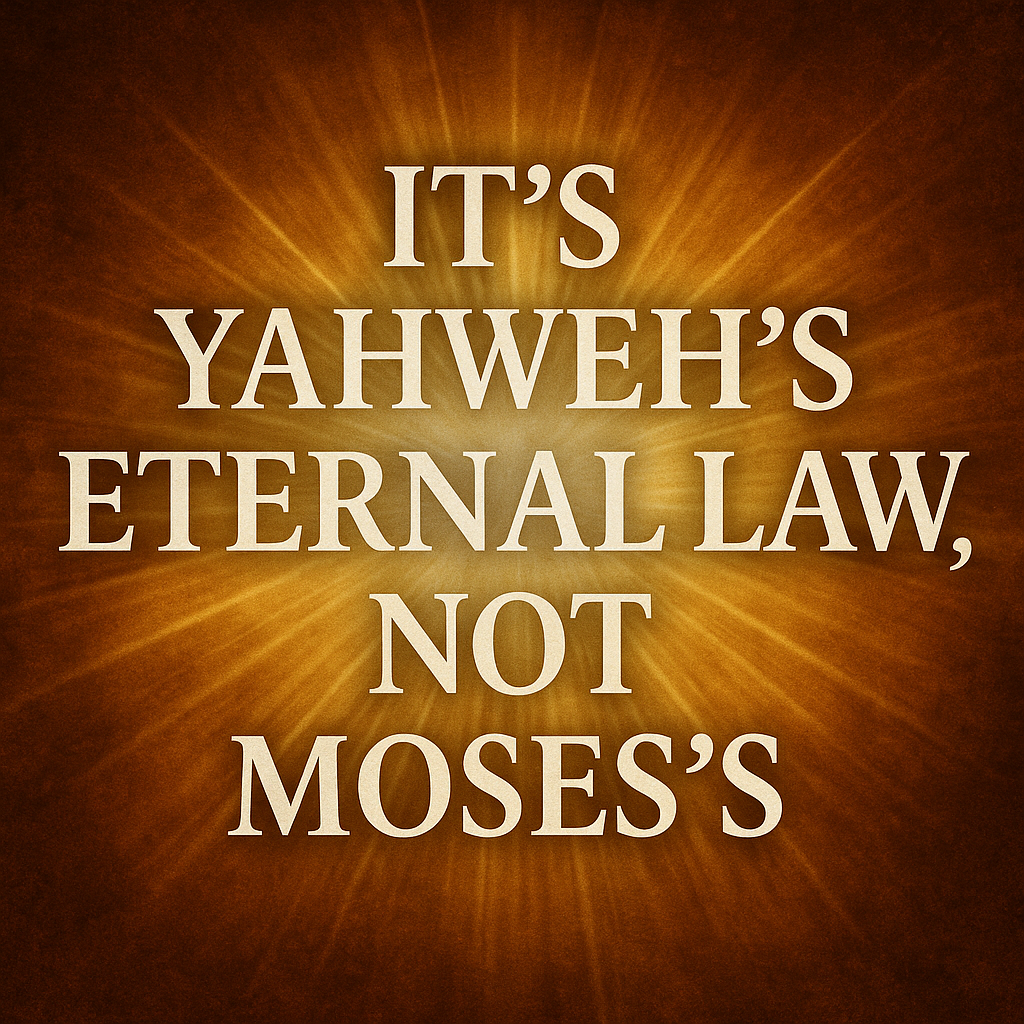
1. Framing: “It’s Yahweh’s eternal law, not Moses’s”
- One consistent moral code from Genesis through Revelation, rooted in Yahweh’s own character (Psalm 103:7; 119:144)
- Misnomer alert: “Law of Moses” is really Yahweh’s law, delivered by angels (Acts 7:53; Gal 3:19; Heb 2:1)
- No dispensations—no “age of grace” replacement theology. God “changes not” (Psalm 102:27; Mal 3:6).
2. Key arguments & supports
- Eternal scope of the law
- Commands “endure forever” (Psalm 119:152; 112:1–3).
- Covenants and judgments “to eternity” (Leviticus 18:4–5; Gen 17:10–13).
- Angelic mediation at Sinai
- Law “ordained through angels” to Moses, fully ordered and detailed (Gal 3:19; Acts 7:53; Heb 2:1).
- Jubilees 1:25–26 (Dead Sea Scrolls) corroborates teaching by angels in “divisions of days.”
- Circumcision as everlasting sign of covenant
- Genesis 17:10–13, 25; Jubilees 15:27; Ezek 44:9 → circumcision of flesh and heart “everlasting.”
- Prefigures required status in messianic kingdom (Ezek 44; Isa 2:2–3).
- Law‑keeping tied to eternal life
- “Whoever keeps the commandments … will live by them” (Lev 18; Ezek 18).
- Jesus: “If you want to enter life, keep the commandments” (Matt 19:16–17).
- Revelation 22:14: “Blessed are those who wash their robes … that they may have right to the tree of life.”
- New covenant fulfillment, not abrogation
- Jeremiah 31 / Ezekiel 36 → laws written on our hearts, but the content remains God’s Torah.
- Hebrews 8–10: “New covenant” inaugurated by Christ’s priestly work, completing but not erasing the law.
3. Push‑back tactics
- Cherry‑pick call‑out: He repeatedly challenged Carlos’s selective quotations (e.g. Col 2:16–23, Rom 14), insisting context shows Paul was warning against pagan or extra‑biblical regulations, not Yahweh’s law.
- Straw‑man defense: When Carlos implied Jesus didn’t “keep” the law, Sean spotlighted Matthew 5:17’s “fulfill” (πληρῶσαι) range of meanings—including “keep”—and reminded listeners that Jesus consistently cited and honored God’s statutes.
- Scripture‑first lens: He pressed for internal consistency—“How could the eternal Son overturn what Scripture calls ‘forever’?”—and quizzed his opponent on contexts (e.g. “What does ‘shadow’ mean in Colossians?”).
4. Scriptures Sean leaned on most
Topic
Key References
Eternal nature of the law
Psalm 119 (esp. vv. 1–8, 144, 151–152), 112:1–3
Sinai / angelic mediation
Acts 7:53; Galatians 3:19; Hebrews 2:1; Jubilees 1:25–26
Circumcision as covenant sign
Genesis 17:10–13, 25; Jubilees 15:27; Ezekiel 44:9
Law‑keeping & life
Leviticus 18:4–5; Ezekiel 18; Matthew 19:16–17; Revelation 22:14
New covenant
Jeremiah 31:31–34; Ezekiel 36:26–27; Hebrews 8–10
–––
Bottom line: Sean’s case was that God’s Torah is eternally binding on all disciples—Jew and Gentile alike—and that circumcision remains the perpetual covenant sign for those entering His assembly. He framed every command as Yahweh’s, traced its origination to “the beginning,” and resisted any reading that turned God’s ordained statutes into optional “shadows” or burdensome “yokes” invented by men.
2.) Video | Transcription DEBATE Vs Sean Griffin (Kingdom in Context): Christians, Circumcision & Law of Moses